
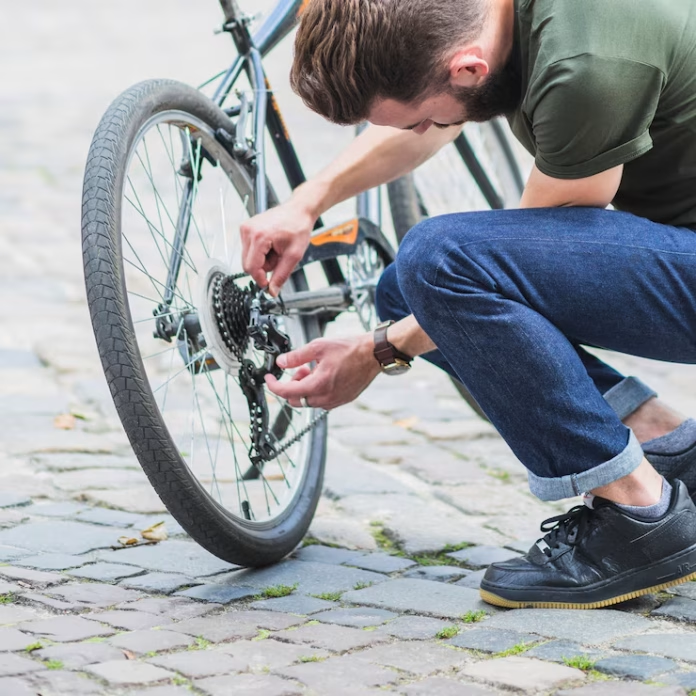

The most important safety element on any bicycle, whether you ride it for work or play off-road, effective brakes are essential. Riding can become risky when brakes are worn out, squeaky, loose, or unresponsive. For any biker, knowing how to fix brakes is a necessary skill. In 15 to 20 thorough paragraphs, this in-depth essay explains everything from the many kinds of brakes to identifying problems and fixing them.
1. Realizing How Important Brake Maintenance Is
When it comes to managing speed, negotiating traffic, and averting collisions, bicycle brakes are your first line of defense. In addition to lowering stopping power, poorly maintained brakes cause uneven tire wear, needless powertrain strain, and dangerous riding conditions. Your bike’s lifespan can be increased and a safer ride can be guaranteed with regular maintenance and prompt repairs.
2. Bike Brake Types: Know What You’re Working With You must determine the type of brakes that are installed on your bike before you can fix them. Among the most prevalent kinds are:
Caliper, cantilever, and V-brakes are examples of rim brakes that function by putting friction on the wheel rim.
Disc brakes, whether hydraulic or mechanical, employ a rotor that is fastened to the hub and clamped by calipers.
When you pedal backward, the coaster brakes (in the rear hub) engage.
Knowing the brake system makes it easier to choose the right repair technique and the necessary tools.
3. Typical Indications That Brakes Require Maintenance
Keep an eye out for indicators such as:
Sounds that are squeaky or screeching
Decreased stopping force
Too close to the handlebar are the brake levers.
Brake pads that are worn out or uneven
Continuous contact even when not braking is known as brake rub.
It’s time for a more thorough examination if your bike displays any of these problems.
4. Safety First: Brake Repair Preparation
Make sure your bike is upside down on a soft surface or fastened in a repair stand before beginning any repairs. Assemble the required equipment, including cable cutters, replacement brake pads, Allen wrenches, screwdrivers, a torque wrench, and cleaning materials. Wear protective glasses and gloves at all times to protect yourself from brake cleaner fumes and debris.
5. Examining and Cleaning Brake Parts
The accumulation of dirt, oil, and filth can significantly hinder braking. Use rubbing alcohol or a specialized disc brake cleaner to clean your braking system. Use a fresh rag to clean the rim surface and brake pads. To avoid contaminating the disc brakes with oil, keep your hands off the rotor. Examine the braking rotors and pads for embedded debris, uneven wear, or glazing.
6. Repairing Rim Brakes: Modifying Cable Tension and Pads
Examine the brake pads first for rim brakes. Replace them if they are worn unevenly or past the wear line. To adapt:
Make use of a 5mm Allen wrench to loosen the pad bolts.
In order to prevent the pads from touching the tire or hanging below the braking surface, align them so they strike the rim squarely.
Test the lever’s responsiveness and tighten the nuts again.
Either twisting the barrel adjuster or loosening the cable anchor bolt, then pulling the cable tighter and resecuring it will change the cable tension.
7. Centering and Aligning the Rim Brakes
Your brakes need to be centered if one pad strikes the rim before the other. Adjust each arm’s spring tension screws with an Allen key or screwdriver until both pads engage uniformly. In order to check for rubbing, spin the wheel. Restoring complete braking efficiency requires only minor changes.
8. Brake Pad Replacement for Rim Brakes
To swap out pads:
A hex key can be used to remove the old pads.
Make sure the new pads are oriented correctly by inserting them; most include directional instructions.
Align according to the preceding section’s instructions.
To make sure everything is working properly, test by squeezing the brake lever.
For best results, new pads frequently need a brief break-in period.
9. Modifying Disc Brakes That Are Mechanical
Like rim brakes, mechanical disc brakes are operated via cables. To center the caliper over the rotor, first loosen the caliper nuts and squeeze the brake lever. Retighten the caliper bolts while holding the lever. Next, fine-tune cable tension and pad spacing using the barrel adjuster or pad adjustment knobs.
10. Disc Brake Brake Pad Replacement
If the disc brakes on your bike are hydraulic or mechanical:
To make access easier, remove the wheel.
Slide out the old pads by opening the retaining pin or clip.
Use a piston press or plastic tire lever to force the pistons back into the caliper.
Replace the pads, put the pin or clip back in, and make sure the pads line up with the rotor.
Riding and braking softly several times will help bed in new pads.
11. Hydraulic disc brakes that bleed
Fluid is used by hydraulic systems to transmit braking force. The brakes may require bleeding if they seem spongy or unresponsive:
Utilize the bleed kit provided by the manufacturer and adhere to their instructions precisely.
Bleeding replaces the old fluid and eliminates air bubbles.
Because this phase calls for accuracy and attention, novices might want to attend a thorough instruction or speak with an expert.
12. Resolving Issues with Brake Levers
Levers that are loose or misplaced can make braking less effective. Verify and tighten the clamp holding the lever to the handlebar if needed. Use the barrel adjuster or the reach screw to tighten the cable if the lever pulls too near the grip. A bleed may be necessary for hydraulic brakes with incorrect lever feel.
13. Identifying Brake Rub and Correcting It
Common and bothersome is brake rub. Make sure the pads are positioned and the wheel is correctly centered in the frame when using rim brakes. Make sure the caliper is aligned and the rotor isn’t deformed while using disc brakes. Rotors that are slightly bent can be straightened with a rotor truing tool. A persistent friction could be a sign of worn parts or a more significant alignment problem.
14. Lubricating Pivots and Brake Cables
Consistent braking depends on smooth cable action. Wipe the cable clean after removing it from the housing. Reinstall after lubricating with a little oil (not grease). To minimize squeaking and guarantee a smooth return action, lubricate the pivot points on the brake arms of rim brakes.
15. Improving Brake Parts
Fixing isn’t always enough; upgrading can yield long-term performance gains. Among the options are:
If your frame permits, switching from rim to disc brakes
Using larger or lighter alternatives to steel rotors
To improve heat resistance, switch to sintered brake pads.
For improved modulation, use compressionless cable housing.
These improvements improve control, particularly on damp or hilly terrain.
16. Brake Adjustments for Road and Mountain Bikes
Although the basics are the same, mountain bikes frequently withstand more severe circumstances and need more frequent maintenance. MTB disc brakes may include more sophisticated features like finned pads and require more cooling. Generally speaking, road bike brakes are more susceptible to rim cleanliness and condition. Adapt your maintenance to the terrain and your riding style.
17. Addressing Typical Brake Sounds
Unclean rims or rotors, glazed pads, or incorrect pad toe-in can all cause squealing brakes. Wearing pads or rotor contact with metal components may be the cause of grinding noises. Unsecured hardware may be indicated by a ticking or clicking noise. A confident bike technician must be able to diagnose by ear because every sound has a tale to tell.
18. Trailside Emergency Brake Repairs
Here are some fast repairs if your brakes fail while you’re riding:
Using the barrel adjuster to tighten the cable
Realigning a caliper or pad with a multi-tool
clearing debris that has become lodged in brake parts
Always keep a small toolkit with you, which should include a multi-tool, an extra cable, and small brake pads for unexpected situations.
19. Tips for Preventive Maintenance
Preventing issues is the best method to fix brakes. Before every ride, get into the habit of checking your brakes. Components should be cleaned frequently, particularly after muddy or damp circumstances. Before wires and pads fail, replace them. Plan for thorough checks every few months, particularly if you ride frequently or in challenging conditions.
20. Concluding Remarks: Ride with Confidence and Safety
At first, fixing your bike’s brakes might seem like a daunting task, but with the correct strategy, equipment, and knowledge, it becomes doable and even empowering. Gaining these abilities can boost your confidence on the road or trail in addition to improving your bike’s performance. Regular brake maintenance, whether it’s bleeding hydraulic lines or setting rim brakes, will make every ride safer, smoother, and more pleasurable.