
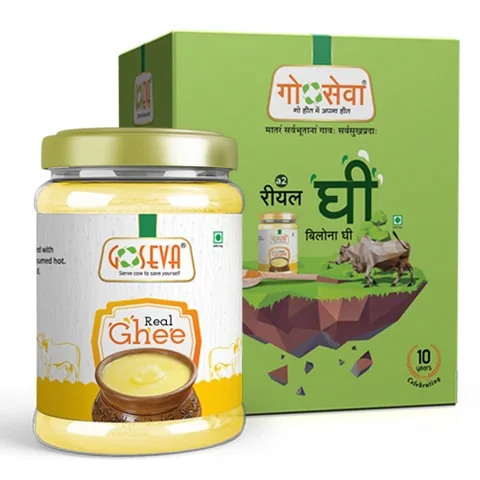

Lately, it feels like everyone on Instagram and WhatsApp groups is suddenly obsessed with ghee. Not just any ghee, but A2 ghee. And honestly, it’s not just some fad diet stuff. I remember scrolling through a foodie page the other day, and someone literally captioned their morning toast with, “Powered by A2 ghee, naturally.” I mean, I laughed at first, but curiosity got me—what’s the hype about?
Turns out, A2 ghee isn’t your run-of-the-mill supermarket ghee. It’s made from the milk of Gir cows, which is believed to contain the A2 beta-casein protein. Unlike regular milk that has A1 protein, A2 is supposed to be easier on digestion. Think of it like switching from regular coffee to a smooth latte that doesn’t make your stomach grumble an hour later. If you’ve ever felt bloated after milk or normal ghee, this might explain why.
Health Perks That Are Actually Pretty Cool
Now, I don’t want to turn this into some preachy health lecture. But there are a few things about A2 ghee that genuinely make it worth considering. First off, it’s packed with short-chain fatty acids, which are like tiny soldiers for your gut. They help reduce inflammation and support digestion. My cousin, who has always struggled with acidity, switched to A2 ghee, and she swears by it—her morning toast is basically her new “meditation moment.”
Plus, it’s rich in omega-3 fatty acids and vitamins like A, D, E, and K. These are fat-soluble, which means your body actually absorbs them when you eat ghee (unlike some supplements that just sit in your stomach). And let’s be honest, anything that makes your buttered paratha feel slightly heroic is a win in my book.
Cooking With A2 Ghee: More Than Just Flavor
One thing I noticed is that cooking with A2 ghee feels different. Maybe it’s just psychological, but it smells richer, melts smoother, and gives a golden touch to anything from dal tadka to pancakes. I tried making a simple dal last week, and my roommate, who’s usually not that impressed by homemade food, literally said, “This tastes… gourmet?” I mean, I didn’t argue, because yes, A2 ghee makes food taste slightly fancy without any Michelin chef magic.
Another neat thing: it has a higher smoking point compared to regular ghee. Basically, it’s less likely to burn and ruin your cooking vibe. So, if you’re like me and occasionally try flambé-ing your kitchen by accident, this is a small win.
Why People Are Shelling Out for It
I did some casual scrolling on Twitter and Reddit, and people are seriously debating whether it’s worth the price. Some hardcore fans treat it like liquid gold, while others shrug and stick with normal ghee. Personally, if you can swing it, A2 ghee is like upgrading from a regular mattress to memory foam—small change in price, but the comfort level is next level.
Also, it’s not just health nerds getting on this trend. Chefs, wellness bloggers, even people making lifestyle reels are adding A2 ghee to their routines. And hey, if it’s good enough for your favorite food influencer to spread on social media, maybe it’s not just hype.
A Tiny Reality Check
Of course, it’s not some miracle cure-all. You can’t eat A2 ghee and suddenly forget about a poor diet or lack of sleep. But it’s definitely one of those small swaps that make a difference over time. Think of it like choosing a decent pair of shoes for a long walk—it doesn’t solve all your problems, but it makes the journey much smoother.
Also, sourcing matters. Not all ghee labeled “A2” is legit. Make sure it’s from Gir cows, and the brand is reputable. Personally, I found a reliable option here: A2 ghee. Feels like a little investment in yourself, honestly.
Final Thoughts
So yeah, A2 ghee is more than just a trend. It’s a mix of better digestion, richer taste, and that subtle feel-good vibe when you’re cooking something wholesome. I’ve started adding it to my morning oats and evening dal, and I kind of like it. Not gonna lie, it’s still ghee, so moderation matters—but if you’ve ever wondered if the hype is real, it kinda is.