
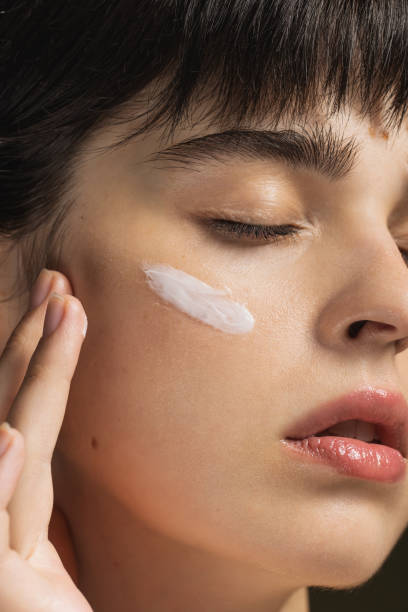

As more people become aware of the dangerous chemicals in traditional cosmetic products, the popularity of organic skin care has skyrocketed in recent years. A discernible trend toward the use of natural and organic skin care products has coincided with the growing awareness of the need of leading a healthy lifestyle. Because of their positive health effects and environmentally beneficial qualities, organic skin care products—which are manufactured from substances sourced from plants, fruits, and essential oils—have become increasingly popular.
The goal of “Well Health Organic Skin Care” is to foster the natural vitality of your skin by taking a holistic approach rather than only pampering it. The importance of organic skin care, its advantages, key components, and how to establish a successful at-home organic skincare regimen will all be covered in detail in this guide.
This page covers all you need to know about organic skin care, including products, ingredients, and helpful advice for healthy skin. It is more than 2000 words long.
1. Organic Skin Care’s Ascent
Natural and organic products have become increasingly popular in the cosmetics business within the last ten years. A growing number of people are choosing clean beauty products, which promise safer and healthier skin care options, over synthetic, chemical-laden goods. As consumers become more conscious of the possible dangers posed by synthetic chemicals like parabens, sulfates, and artificial perfumes, which are frequently found in traditional skin care products, the demand for organic skin care products has increased dramatically.
However, what precisely qualifies as “organic” in a skin care product? Products containing materials cultivated without the use of artificial fertilizers, pesticides, or genetically modified organisms (GMOs) are referred to as organic skin care products. These products usually have a greener, cleaner recipe that contains fewer ingredients that may cause long-term skin irritation or damage.
2. Why Use Organic Skincare Products?
So why pick organic skin care products instead of conventional ones? There are multiple explanations:
Fewer Chemicals: Organic goods don’t include any dangerous chemicals that can upset your skin’s natural equilibrium. Conventional skincare products contain a number of chemicals that can irritate skin, trigger allergic reactions, and even create long-term harm.
Sustainability: Organic farming methods are typically more environmentally friendly. Customers may support sustainable agriculture that maintains soil health, lowers pesticide use, and fosters biodiversity by choosing organic products.
Improved Absorption: Natural ingredients provide superior hydration and nourishment since they are typically more readily absorbed by the skin. Organic cosmetics do more than merely mask flaws; they deeply feed the skin.
Better Skin: Rich in vitamins, minerals, and antioxidants, organic components can help combat free radicals, revitalize the skin, and delay the aging process.
3. Principal Advantages of Natural Skincare
Using organic skin care products can help your skin in a number of ways.
Kind to Sensitive Skin
Compared to synthetic skin care products, organic ones are typically far gentler. They don’t use harsh chemicals or scents, which are frequently known to cause skin irritation or allergic reactions.
b. Reduced Irritants
Aloe vera, coconut oil, and shea butter are just a few of the nutrient-dense, organic components that help feed the skin without irritating it like artificial additives or preservatives do.
d. Properties That Prevent Aging
Antioxidant-rich substances including vitamin C, vitamin E, and green tea are frequently included in organic skincare products. By shielding the skin from oxidative stress brought on by free radicals, these substances help avoid wrinkles and fine lines, which are early indicators of aging.
d. Encourages the Healing of Skin
Plant-based oils and extracts, which can aid in skin healing, are frequently included in organic goods. For example, chamomile can relieve sensitive skin, while tea tree oil is well-known for its antimicrobial qualities.
f. Skin Health in the Long Run
Consistent use of organic products can result in skin that is healthier and more glowing. The skin’s barrier function is supported by the natural components, which help the skin maintain moisture and avoid drying out.
4. Crucial Components of Organic Skincare
Plant-based components are a major component of organic skin care products. Among the most widely used organic components are:
1. Aloe Vera
A powerful component with calming and cooling qualities is aloe vera. It keeps the skin hydrated without clogging pores, lowers inflammation, and aids in wound healing.
b. Oil from coconuts
Fatty acids found in coconut oil provide the skin with deep hydration and support the integrity of the skin’s protective layer. Because of its antibacterial qualities, it is ideal for treating eczema and dry, flaky skin.
c. Oil of Tea Trees
The antibacterial and antifungal qualities of tea tree oil are well known. It is frequently utilized in organic skincare products to treat skin issues like acne and pimples.
d. Butter from Shea
Shea butter is a great moisturizer that may nourish and profoundly hydrate dry skin. It is a vital component of many organic creams and lotions since it is rich in vitamins and important fatty acids that increase skin suppleness.
e. Extract from Green Tea
Strong antioxidants included in green tea extract help shield the skin from UV radiation and other environmental harm. Additionally, it can improve skin tone and lessen aging indications.
f. Oil of lavender
Because of its calming qualities, lavender oil is frequently utilized. It provides a calming scent, lessens redness, and soothes the skin. Because of its anti-inflammatory properties, lavender oil is particularly excellent for skin that is prone to acne.
g. Oil of Jojoba
Jojoba oil and the natural oils the skin produces are quite similar. It keeps the face nourished without feeling oily, controls oil production, and lessens acne.
h. Oil of Rosehip
Vitamin C and vital fatty acids included in rosehip oil help lighten and lessen hyperpigmentation. It works very well for uneven skin tone, fine wrinkles, and scars.
5. Typical Organic Skincare Items
The market offers a vast array of organic skincare products, each made to address a certain set of skin types and issues. Among the well-liked choices are:
Organic face washes are mild cleansers derived from organic components such as lavender, chamomile, and aloe vera. These are made to remove the skin’s natural oils while still cleansing it.
Rose water, witch hazel, or tea tree oil are examples of substances included in organic toners, which are alcohol-free. These aid in tightening pores and balancing the pH of the skin.
Organic Moisturizers: To keep the skin nourished and hydrated, use rich creams and lotions containing shea butter, coconut oil, and essential oils.
Mineral-based sunscreens containing titanium dioxide or zinc oxide are referred to as organic sunscreens. Without the use of dangerous chemicals, these sunscreens provide broad-spectrum protection.
Organic Serums: Strong serums that target particular skin conditions including pigmentation, aging, and acne by combining antioxidants like vitamin C, hyaluronic acid, and retinol.
6. Establishing a Skincare Routine That Is Organic
Developing a successful organic skincare regimen doesn’t have to be difficult. Here’s a quick guide to help you create a skin-friendly routine:
a. First, clean
To start, wash your skin with a mild organic cleanser to get rid of debris, oil, and pollutants. Select a cleanser that is appropriate for your skin type (soothing for sensitive skin, foamy for oily skin, or moisturizing for dry skin).
b. Step 2: Tone Toning helps the skin’s pH balance and gets it ready to absorb serums and moisturizers more effectively. Make use of a natural toner that tightens and revitalizes pores without making them feel dry.
c. Step 3: Handle
Make use of serums or treatments designed to address particular skin issues like wrinkles, pigmentation, or acne. Concentrated active components like retinol or hyaluronic acid are frequently found in organic serums.
d. Moisturize in Step Four
Use an organic moisturizer to seal in moisture and maintain skin hydration all day. Choose a lightweight recipe for oily skin, and thicker, cream-based choices for dry skin.
f. Protect in Step Five
Applying organic sunscreen at the end of your regimen will shield your skin from damaging UV radiation. Sunscreen is necessary for everyday skin protection, even if you’re staying inside.
7. Organic Skincare’s Advantages for Various Skin Types
All skin types can benefit from organic skin care, however the formulas and components should be carefully chosen to meet the specific requirements of your skin:
Choose moisturizers with organic oils, such as jojoba, avocado, or argan, if you have dry skin. These oils restore moisture to the skin and offer deep hydration.
For Oily Skin: Select gel-based formulations or oil-free moisturizers that hydrate without blocking pores. Witch hazel and tea tree oil are excellent for reducing excessive oil production.
Steer clear of strong chemicals and scents if you have sensitive skin. Products made with aloe vera, calendula, and chamomile are soothing and good for sensitive skin.
For Acne-Prone Skin: Components including neem, witch hazel, and tea tree oil aid in healing by lowering inflammation and germs that cause acne.
For Aging Skin: Organic products including retinol, vitamin C, and rosehip oil help increase collagen synthesis, enhance skin texture, and lessen fine wrinkles.
8. How to Prepare Natural Skincare Products at Home
You can make efficient products at home with everyday items if you’d rather do it yourself for organic skin care. Among the concepts are:
Face Masks: To make a brightening face mask, combine yogurt, honey, and turmeric. Aloe vera gel and cucumber juice can be used to create a moisturizing mask.
Exfoliators: Use honey, coconut oil, and ground oats to make a mild scrub. This exfoliates without causing skin irritation.
Serums: For a nutritious serum that combats aging symptoms, mix rosehip oil with vitamin E oil.
9. Organic Skincare’s Future
Organic skin care will continue to gain popularity as people get more environmentally and health-conscious. Brands are using new technology to create sophisticated formulas that minimize their environmental impact while maintaining the effectiveness of natural ingredients. Organic skin care is a long-term lifestyle choice with several advantages for the environment and the skin, not merely a passing fad.
10. Final Thoughts: Adopting Organic Skin Care for Good Health
Organic skin care is a deliberate choice to take care of both your skin and the earth, and it goes beyond simple cosmetic routines. By selecting organic products, you’re supporting sustainable methods that enhance general health and well-being in addition to providing your skin with the nourishment it needs.
Over time, incorporating organic skincare into your everyday practice can result in skin that is healthier and more attractive. Whether you’re battling aging, dryness, or acne, organic ingredients offer safe, all-natural ways to keep your skin looking young and radiant.