
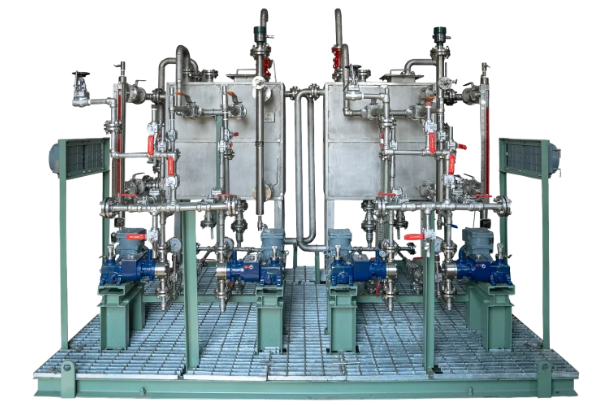

Oil and gas projects often involve demanding operating conditions, specialised equipment requirements and strict performance expectations. Selecting equipment solely on price or standard specifications may not provide the right solution for a particular process. In-house engineering can make a significant difference by allowing equipment requirements to be assessed, designed and coordinated according to the actual application. From process calculations and material selection to fabrication, testing and documentation, an integrated approach can simplify project coordination. It can also help ensure that pumps and other process equipment are better aligned with pressure, flow, temperature, fluid characteristics and installation requirements.
Why In-House Engineering Matters for Oil and Gas Equipment
An oil field equipment supplier with in-house engineering capabilities can evaluate equipment requirements before manufacturing begins. This allows process conditions, mechanical requirements and installation limitations to be considered as part of one design process.
From Process Requirements to Equipment Design
The first stage generally involves understanding the application. Engineers may review required flow rates, pressure, temperature, fluid properties, materials, operating cycles and available utilities. This information provides the foundation for equipment selection and sizing. Instead of simply selecting an off-the-shelf product based on a nominal capacity, the equipment can be assessed against the actual process duty.
In-house engineering can also help identify potential conflicts at an early stage. For example, a pump may have the required flow capacity but may not provide adequate pressure at the required operating conditions. Similarly, a material may appear suitable for a fluid but may require reassessment when temperature or concentration changes. A detailed engineering review helps connect these requirements before fabrication begins.
Coordination Between Engineering and Manufacturing
When engineering and manufacturing functions operate within the same organisation, communication between design and production teams can be more direct. Design drawings, material specifications, connection details and fabrication requirements can be reviewed before production. Any practical manufacturing limitations can also be identified during the design stage. This integrated approach can reduce unnecessary revisions and make it easier to maintain consistency between the approved design and the manufactured equipment.
Equipment Selection for Demanding Process Conditions
Oil and gas applications can involve hydrocarbons, chemicals, slurries, gases and other process fluids with different physical and chemical characteristics. Equipment must therefore be selected according to the actual service conditions.
A pneumatic metering pump can be considered for applications requiring controlled delivery of process chemicals where compressed air is available as a plant utility. The appropriate configuration depends on the required flow range, discharge pressure, chemical compatibility and level of dosing control.
Matching Pumps to the Application
Pump selection should consider minimum, normal and maximum operating requirements. Choosing equipment only around the normal flow rate may result in unsuitable performance when process conditions change. Fluid viscosity is also important. A highly viscous liquid can behave differently from a low-viscosity fluid and may require changes to suction arrangements or pump operating conditions. Temperature should also be included in the equipment assessment. Changes in temperature can affect viscosity, density and material compatibility, which may influence overall pump performance.
For chemical handling applications, the wetted components must be compatible with the process fluid. Diaphragms, valves, seals, pump chambers and connections may require different material considerations depending on the chemical environment.
Fabrication, Testing and Quality Control
Design quality is only one part of equipment reliability. The manufacturing process must also follow appropriate specifications so that the final equipment corresponds with the approved design. An oil field equipment supplier with in-house manufacturing can coordinate fabrication according to engineering drawings, material requirements and project specifications.
Fabrication may involve machining, welding, assembly and inspection depending on the type of equipment being produced. Dimensional checks can help verify that components meet specified requirements, while material documentation may be required for critical applications. Testing is another important stage. Depending on the equipment, testing may include pressure checks, performance verification, leak testing or other inspection procedures.
A structured quality process helps identify manufacturing issues before equipment reaches the operating site. This can be particularly useful for process equipment where installation and replacement may require significant time or plant disruption. Documentation should also be considered. Drawings, test records, material certificates, inspection documents and operating information can help support commissioning and future maintenance.
Project Support Beyond Equipment Supply
Industrial equipment projects rarely involve a single component. Pumps may need to work alongside piping, valves, instrumentation, tanks, injection systems and other process equipment. An oil field equipment supplier that understands these connections can provide more useful support during equipment selection and project planning. Instead of viewing each component independently, the supplier can consider how the equipment fits within the wider process.
For example, when a pneumatic metering pump is used for chemical injection, its performance depends on suction conditions, discharge pressure, chemical properties and the injection arrangement. The dosing pump should therefore be assessed together with the associated piping and injection equipment.
Process integration can also affect maintenance. Equipment should be positioned so that operators can access isolation valves, inspection points and service components without unnecessary difficulty. Clear technical communication is equally important. Accurate specifications and drawings help project teams coordinate civil, mechanical, piping, electrical and instrumentation requirements.
Long-Term Reliability and Engineering Support
Equipment selection should consider the complete operating life rather than only initial installation. Maintenance requirements, replacement parts, operating conditions and future process changes can all influence the suitability of a system. A pneumatic metering pump may require periodic inspection of diaphragms, valves, seals and other components depending on the application. Monitoring flow, pressure and dosing performance can help identify changes before they become major operational problems. An engineering-led approach can also assist when equipment needs to be modified. Changes in chemical concentration, process pressure, flow requirements or temperature may require reassessment of existing equipment.
Conclusion
Working with an engineering-led equipment provider can provide advantages beyond simply purchasing individual components. Process assessment, equipment sizing, material selection, fabrication, testing and documentation can be coordinated to create a solution that aligns more closely with actual operating conditions. In-house engineering can also improve communication between design and manufacturing teams while supporting modifications and maintenance requirements throughout the equipment lifecycle. For projects involving demanding fluids, pressure conditions and specialised process duties, this integrated approach can help reduce specification errors and improve equipment reliability. NND OIL & GAS can support oil and gas projects with engineered equipment solutions developed around specific process and operational requirements.