
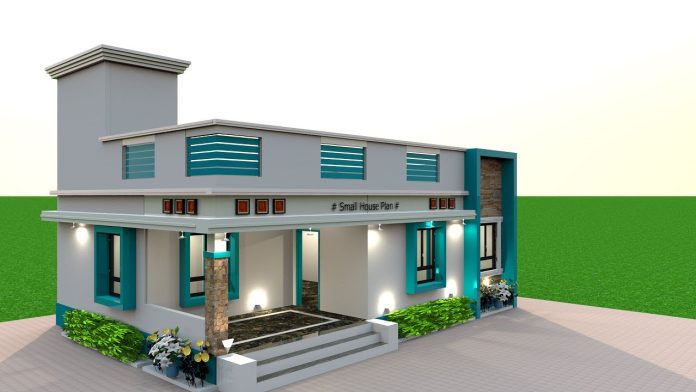

Village homes offer a welcome simplicity and authenticity in a time when urban living frequently dominates conversations about architecture and interior design. In a village, a basic home design is a way of life that is closely linked to community, culture, and the natural world. It is not only about economics. The designs of village homes are being redesigned for those looking for affordable, sustainable, and tranquil living by combining traditional knowledge with contemporary conveniences.
1. Recognizing the Value of a Village House
Village homes are more than just structures; they are a representation of the daily activities, climate, and customs of the area. Village homes are grounded in usefulness, as opposed to city dwellings, which frequently place an emphasis on trends or aesthetics. The family’s practical needs, natural ventilation, local materials, and areas for household or agricultural tasks are typically the main focuses of the design. Although the main idea is simplicity, these houses yet have personality and charm.
2. Site Selection: Selecting the Appropriate Storyline
Choosing the appropriate site is the first stage in constructing a village house. The majority of villagers select locations based on their closeness to farming, water sources, and family. A good site includes access to sunshine and breeze, rich soil, and natural drainage. Directional preferences are also included in traditional wisdom; for example, many people like entrances that face east to let in early sunlight. Planning an affordable, cozy home requires an understanding of the land’s orientation.
3. Floor plans and layout
A village home’s basic plan usually consists of a living room, kitchen, two or three bedrooms, a front verandah, and a bathroom. The open areas surrounding the house, such as the front yard or rear, are frequently used for storage, animal shelters, or culinary gardens. To guarantee sufficient sunshine and cross-ventilation, internal planning is carried out. Homes are frequently constructed in stages, with more rooms added as families expand.
4. Conventional Materials: Using Nature to Build
Rural home design is characterized by the use of natural, locally sourced materials. Not only are mud, clay, thatch, bamboo, stone, and locally produced bricks more cost-effective, but they are also more environmentally friendly. Because of the natural insulation these materials provide, dwellings stay warmer in the winter and cooler in the summer. For walls, lime plaster is frequently used in place of cement, which promotes durability and ventilation. In order to withstand high rainfall, roofs are typically slanted and constructed of tiles or thatch.
5. Contemporary Materials within a Village Setting
Although traditional materials still predominate, many contemporary village dwellings also use concrete, steel, and cement for increased durability and strength. Common modifications include concrete flooring, aluminum or PVC windows, and RCC roofs. The secret is to combine the functionality and beauty of historic design with contemporary durability. A balance maintains the rustic character while guaranteeing long-term maintenance savings.
6. The Verandah: A Space for Social and Practical Use
The verandah, a shaded open space at the entrance, is one of the most recognizable features of a village house. Families congregate there, visitors are greeted, and everyday tasks are completed. By serving as a protective barrier against dust and heat, it also aids in controlling indoor temperatures. In more contemporary designs, the verandah may have a tiny reading nook, potted plants, or stone seats.
7. Courtyard Residences: The Center of Country Living
The “aangan,” or center courtyard, is another historic element that is returning. Every room in the house benefits from the light and air that this open area in the middle provides. It also functions as a private space where families may congregate, women can work, and kids can play. Courtyards aid in passive cooling in hotter areas. Including a small pond or flowering plants improves biodiversity and aesthetics.
8. Roof Style and Material Selections
A village home’s roof design is influenced by the climate there. In regions with a lot of rainfall, sloped tile roofs are typical, although flat concrete roofs work better in arid climates. Rainwater harvesting is also possible with sloped roofs. Because of their insulating qualities, tiles like clay or Mangalore tiles are recommended. Although they are less expensive, thatched or bamboo roofs require frequent maintenance. For energy independence, solar panels are increasingly frequently used on rural rooftops.
9. Easy and Effective Kitchen Design
The kitchen frequently plays a major role in day-to-day activities in rural households. In the past, kitchens were constructed apart to keep smoke out of the main home. Indoor kitchens are becoming commonplace due to the switch to LPG and induction cookers. For slow cooking, many people still use a traditional chulha, or mud stove. Natural ventilation, tiled surfaces, and open shelves are examples of simple kitchen ideas. For efficiency, modular ideas are being incorporated into contemporary village dwellings.
10. Facilities for Water and Sanitation
The architecture of village homes is increasingly emphasizing the availability of clean water and sanitary facilities. Common water sources include public supply lines, rainwater harvesting tanks, and borewells. Septic tanks or bio-digesters, tiled floors, and attached bathrooms are becoming common features in many homes. Compared to earlier homes with separate outside toilets, this is a significant change. The improvement of rural sanitation has been greatly aided by government initiatives and awareness campaigns.
11. Lighting and Ventilation
Particularly in hotter areas, village homes must have adequate natural lighting and air flow. Cross-ventilated doors, high windows, and ventilators close to the roof all contribute to a cool and fresh home. Natural light can enter central spaces through skylights or glass tiles in the ceiling. Relying on natural light instead of artificial lighting lowers power use and improves the sustainability of homes.
12. Eco-Friendly Design Techniques for Village Houses
In villages, sustainability is a way of life, not just a trendy term. Village residents make prudent use of natural resources, from producing food in the backyard to composting kitchen garbage. Mud plastering for insulation, solar lights for backup lighting, and water channels for garden irrigation are common features of homes. Additionally, using recycled building materials and local labor lessens the impact on the environment and boosts the local economy.
13. Decoration and Color Schemes
Because of the materials utilized, village homes typically have earthy colors—browns, whites, reds, and yellows. A common option for wall painting is limewash, which is frequently embellished with hand-painted borders or straightforward murals. Vibrant colors like blue or green can be used to paint windows and door frames. Granite worktops, tiled floors, and ornamental grills are examples of modern accents that are being applied subtly without overpowering the simplicity.
14. Outdoor Spaces and Landscaping
Rural dwellings must have outdoor areas. There may be seating places, shade trees, floral plants, and a hand pump in open front yards. Backyard kitchen gardens are prevalent, where fruit trees, herbs, and vegetables are grown. Privacy is guaranteed while preserving a natural appearance with fencing composed of bamboo, mud walls, or plants. The environment is enhanced by the birds, insects, and butterflies that are drawn to these verdant environs.
15. Furnishings and Interior Design
Village dwellings continue to have simple interior design. The décor is dominated by handcrafted drapes, jute matting, and wooden furniture. Family portraits, traditional paintings, or shelves holding metal utensils and clay pots could be used to adorn the walls. There is flexibility in seating arrangements; formal sofas are sometimes replaced with cushions or floor mats. In addition to keeping dwellings spacious and clutter-free, this minimalism prioritizes functionality above luxury.
16. Ingenious Enhancements to Basic Designs
Technology is gradually becoming ingrained in everyday life, even in rural areas. These days, inverter batteries, solar water heaters, LED lights, and mobile internet access are standard. Convenience can be increased with basic home automation, such as controlled water pumps or scheduled lighting. Newer homes are also incorporating security systems like motion sensors, CCTV, and smart locks without detracting from the rustic design.
17. Aspects of Culture and Religion
There are often places for worship or spiritual pursuits in rural dwellings. It is typical to have a tiny pooja room or sacred space with flowers, lamps, and statues. The strong bond between tradition, family, and home is reflected in these spiritual components. The spirit and beauty of the house are revitalized by the decorations, rangolis, and rituals that seasonal festivities bring.
18. Long-Term Value and Affordability
The affordability of a basic village home design is arguably its greatest benefit. These homes are a smart investment since they use sustainable materials, need less upkeep, and have reduced construction expenses. In addition to housing, they offer a higher standard of living, mental tranquility, and the opportunity to coexist peacefully with the environment.
Conclusion: Creating a Peaceful Environment
A modest village house is a way of life rather than merely a building. It’s about tradition without stagnation, comfort without clutter, and beauty without excess. The village home model offers a practical approach to live better with less, whether you’re building a new home on your family land or creating a tranquil weekend getaway. The modest village house may serve as the ideal model for a future that prioritizes sustainability and well-being.