
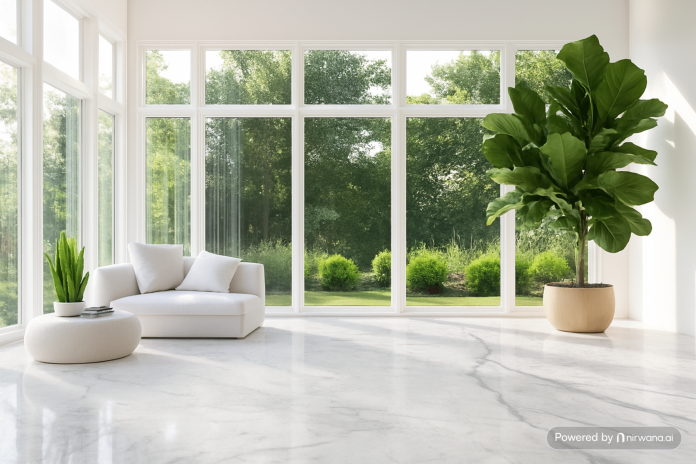

If you’ve ever wandered into a fancy hotel lobby, or admired a dreamy kitchen countertop on Instagram, chances are you’ve been low-key obsessed with marble. But here’s a little insider info most people don’t think about: not all marble is created equal. And if we’re talking premium marble in India, Kishangarh has basically become the celebrity of marble towns. Seriously, the place is like the Hollywood of stone, minus the paparazzi.
I first stumbled across marble in Kishangarh a few years back when I was helping a friend pick tiles for his new home. He was dead set on getting something that “looked rich but didn’t scream basic showroom.” And that’s when someone suggested, almost casually, “Why don’t we just check out marble in Kishangarh?” I had no clue what that meant at the time. I imagined tiny little marble shops tucked away in dusty alleys. Spoiler: it’s way bigger than that. Kishangarh basically has entire industries built around extracting, polishing, and exporting marble. There are families there who’ve been in the marble game for generations. Some stones even have their own names, like celebrities with their own Instagram accounts (well, almost).
One of the coolest things about Kishangarh marble is the variety. You’ve got everything from pristine white slabs that look like they belong in a palace, to dramatic, veiny patterns that could probably make a minimalist drop their jaw. There’s this kind of understated elegance that’s tough to fake. People online are constantly debating which type of marble makes your home “look rich” versus “look tacky,” and if you scroll through social media hashtags like #KishangarhMarble, you’ll see some insanely photogenic setups that make you rethink your entire kitchen design.
Fun fact: marble in Kishangarh isn’t just popular in India. Export markets are huge. Middle Eastern countries, Europe, and even some parts of the U.S. are big fans of these stones. So when you’re picking a slab, you’re literally holding something that’s kind of famous in a global sense. It’s weirdly satisfying. Honestly, there’s a bit of pride in knowing that the same piece of stone might end up in someone else’s luxury apartment across the world while you’re still figuring out if it’ll fit your bathroom.
Now, let’s talk practicality, because I get it. Marble sounds fancy, but it’s not exactly low-maintenance. It scratches, stains, and sometimes even chips if you’re clumsy like me (I once dropped a mug on a marble countertop and had a mini heart attack). But here’s the thing: Kishangarh marble tends to be a little more resilient than your average slab, thanks to the way it’s cut and polished locally. And if you’re willing to baby it a bit—think coasters, gentle cleaning—it can last decades. Some people even pass it down like an heirloom. Imagine that: your grandkids accidentally spilling juice on something that’s literally centuries old in terms of craft.
There’s also a kind of romance in visiting the quarries, even if you’re not buying. I went on a short trip a while back, and watching these massive blocks being carefully extracted was mesmerizing. It’s like seeing giant ice cubes being cut, but with way more drama and dust. And the workers there? Absolute legends. These are people who’ve been chiseling and polishing marble since they were kids. They talk about colors, veins, and textures with the same kind of nerdy passion I have for tech gadgets.
If you’re seriously thinking about getting some, I’d check out places like White Mansion Marble. They’ve got a decent range of Kishangarh marble, and it’s one of those spots where you feel like someone actually knows what they’re talking about. Buying marble can feel intimidating at first—so many choices, prices, finishes—but having a place that’s reliable makes a huge difference.
Honestly, marble in Kishangarh has this weird duality. On one hand, it’s luxurious and Insta-worthy. On the other, it’s very real, very earthy, and connected to a town where families have literally built their lives around stone. It’s easy to get caught up in the aesthetics, but if you spend a bit of time learning about the people, the process, and the town itself, you start to appreciate it on a deeper level. It’s like buying a piece of art, but it’s also functional, durable, and somehow a little bit soulful.