
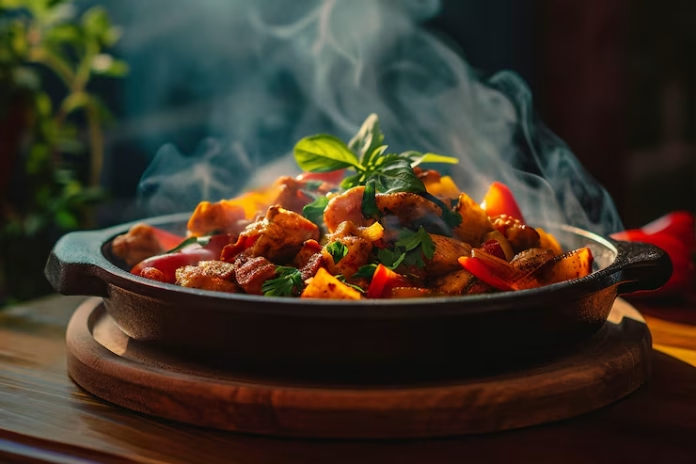
, bell peppers, green chilies, and a robust blend of sauces.)
One of the most popular Indo-Chinese foods is chilli paneer, which is consumed all over India and even outside of it. It has established a permanent place on the menus of upscale dining establishments, street sellers, and home kitchens due to its flawless harmony of umami, tanginess, and spice characteristics. The basic ingredients of Chilli Paneer, which can be served dry as an appetizer or in a gravy form as a main meal, are paneer (Indian cottage cheese), bell peppers, green chilies, and a robust blend of sauces.
Everything you need to know about chilli paneer will be covered in this post, including its history, varieties, preparation techniques, ingredients, nutritional value, and how to prepare it at home like a restaurant. This 2000+ word guide with more than 15 informative paragraphs is meant to turn you into an expert on chilli paneer, regardless of whether you are a foodie, home cook, or culinary enthusiast.
1. Chilli Paneer’s History
Indo-Chinese cuisine, which originated when Chinese immigrants arrived in Kolkata, India, in the 19th and 20th centuries, is the source of chilli paneer. Indian spices were gradually added to classic Chinese dishes, creating a unique flavor profile that appealed to Indian palates as both familiar and foreign.
In order to accommodate India’s sizable vegetarian population, chilli paneer most likely developed as a vegetarian version of chilli chicken by substituting paneer for meat. For vegetarians who are desiring the spicy, saucy zing of Indo-Chinese cuisine, it’s now a popular choice.
2. Chilli Paneer Types
Chilli Paneer comes in two primary varieties:
a. Paneer with dry chili
This variation is served as an appetizer or starter and consists of crispy paneer cubes mixed with bell peppers, onions, and chilies in a thick sauce. It has a strong flavor, is semi-dry, and goes well with fried rice and noodles or as a snack.
b. Paneer with Gravy Chilli
This variant can be served as a main course because of its more liquid sauce. It pairs well with noodles, steamed rice, or even Indian bread like paratha or naan.
A semi-gravy variation, which is thicker than the gravy version but not completely dry, is also preferred by certain individuals since it offers the best of both worlds.
3. Components That Work Their Magic
Fundamentally, chilli paneer needs the following ingredients:
Cut into cubes, paneer (Indian cottage cheese) is solid and fresh.
Bell peppers, or capsicums, can be green, red, or yellow for crunch and color.
For texture, onions should ideally be chopped big or into petals.
Green chilies: To add spiciness.
Finely chop or mince the ginger and garlic.
Spring onions: To give crunch and garnish.
All-purpose flour and cornflour: To thicken and coat the sauce.
The holy quartet of Indo-Chinese flavors are vinegar, tomato ketchup, chili sauce, and soy sauce.
Season with salt, pepper, and optional MSG.
4. How to Make Chilli Paneer at Home: A Comprehensive Guide
To get you started, here is a simple recipe for dry chilli paneer:
Step 1: Get the paneer ready
Slice the paneer into cubes of a moderate size. To make a batter, combine cornflour, all-purpose flour, salt, pepper, and a small amount of water in a bowl. After dipping the paneer pieces into the batter, they can be deep-fried or shallow-fried until they are crispy and golden. Put aside.
Step 2: Vegetables are stir-fried
Heat the oil in a wok and cook the green chilies, ginger, and chopped garlic. To keep the bell peppers and onions crisp, stir-fry them for two to three minutes.
Step Three: The Sauce
Pour in the vinegar, ketchup, chili sauce, and soy sauce. Stir thoroughly. Add a cornflour slurry (cornflour dissolved in cold water) to the sauce to thicken it. Stir the sauce until it thickens.
Step 4: The Last Toss
Toss the cooked paneer cubes in the sauce until they are well covered. Add chopped spring onions as a garnish.
Savor the explosion of flavors in each bite while it’s still hot.
5. How to Make the Ideal Chilli Paneer
Make use of fresh paneer: Homemade, soft paneer is superior at absorbing flavors.
The vegetables should still have some crunch, so avoid overcooking them.
To achieve a genuine Indo-Chinese stir-fry effect, cook on high heat at all times.
For more taste and color, use dark soy sauce.
To keep the paneer crisp, toss it in the sauce right before serving.
6. Chilli Paneer’s Nutritional Benefits
Depending on how it is cooked, chilli paneer can be either healthful or decadent, despite its deliciousness. The number of calories may be raised by deep-fried paneer, extra sauces, and additional sugar or MSG. To create a healthier version, though, you can:
Paneer can be air-fried or reduced in oil.
choosing soy sauce that is reduced in salt.
increasing the amount of vegetables to provide nutrients and fiber.
Steer clear of artificial flavorings and MSG.
Depending on the ingredients and portion size, a typical serving of dry chilli paneer has between 300 and 400 calories.
7. Varieties of Chilli Paneer in India
Each area has a unique twist:
Mumbai’s street-style chilli paneer has a stronger garlic flavor and is hotter.
In Delhi, it is frequently creamier and occasionally richened with cashew paste.
Curry leaves and regional chilies are occasionally added in South India.
Given the Bengali palate, it can be a tad bit sweet in Bengal.
Because of these geographical variations, chilli paneer is a meal that is always changing.
8. Combining Other Dishes with Chilli Paneer
Chilli Paneer can serve as a side dish or as the focal point. Several well-liked combinations are:
Fried Rice: Gravy Chilli Paneer goes well with either egg or vegetable fried rice.
Hakka Noodles: Stir-fried noodles with dry or semi-dry chilli paneer make a traditional combination.
Manchow Soup: Chilli Paneer comes after a spicy soup.
For a well-rounded lunch, try the gravy version with steamed or jeera rice.
In restaurants, Indo-Chinese “combo meals” frequently feature these pairings.
9. Gluten-Free and Vegan Substitutes
You can make chilli paneer vegan by using the following in place of paneer:
Like paneer, tofu works well and absorbs flavors.
For a distinct flavor and texture, try tempeh or mushrooms.
For gluten-free diets, use only cornflour or rice flour for coating and thickening, and substitute tamari or gluten-free soy sauce for soy sauce.
10. The Difference Between Restaurant-Style and Street-Style Paneer with chilli: Harmonious sauces
Beautifully garnished
Presentable and less greasy
Extra hot is the street-style chilli paneer.
Additional chili and garlic sauces
cooked at high heat in big amounts.
Each has its own allure. While the latter is audacious and reassuring, the former is sophisticated.
11. Making Kid-Friendly Chilli Paneer
If you would like to prepare this meal for kids:
Cut back on the chilies or omit them completely.
For a healthier twist, include veggies like peas and carrots.
For sweetness, use additional tomato ketchup.
To balance the heat, serve over rice or plain noodles.
This modified version’s mild, sweet-savory flavor is typically adored by children.
12. In popular culture, chilli paneer
India’s culinary adaptability is symbolized by Indo-Chinese food, particularly chilli paneer. It is frequently featured at international culinary events as well as in films and food vlogs. In their “fusion cuisine” attempts, a lot of culinary influencers highlight chilli paneer by serving it with pizza, tacos, or even burgers!
13. Frozen and Ready-to-Eat Chili Paneer
A number of food businesses now sell frozen or ready-to-eat varieties of chilli paneer due to the increased demand for quick dinners. Convenient as they are, these typically lack the depth of flavor and fresh texture of homemade or restaurant-bought food.
They can, however, be quite helpful for time-constrained individuals, working professionals, and college students.
14. A Party Favorite: Chilli Paneer
Chilli Paneer is sure to please any crowd. For gatherings:
For a fun appetizer, serve it on skewers.
For variation, include both dry and gravy versions.
For a contemporary twist, use it as a filler in sliders or wraps.
All ages enjoy this dish, which is easily expandable.
15. Conclusion: The Reasons Why People Still Love Chilli Paneer
More than just a meal, chilli paneer is a tasty experience that is enjoyed in practically every Indian home. With its rich flavor and gratifying texture, it never fails to satiate appetites, whether it is prepared at home with love, at a five-star restaurant, or at a roadside stand.
It is a favorite among international foodies who are experimenting with fusion dishes as well as in India due to its versatility, simplicity, and potent flavor profile. Chilli Paneer will undoubtedly become a staple on your menu once you get the hang of it.